12V Cut Off Circuit & Protection: Keep Your System Safe
A 12V cut off circuit is an essential safety and power management feature in various electrical systems, ensuring that power is disconnected when certain conditions are met. This circuit is widely used in caravans, boats, and other recreational vehicles to protect batteries from over discharge, and to safeguard appliances from voltage fluctuations.
Understanding the workings of a 12V cut off circuit is crucial for maintaining your vehicle's electrical system and accessories. However, before delving into the circuit's design and components, it's important to grasp the concept of cut off voltage. In simple terms, it's the point at which the load is disconnected to prevent further discharge of the battery.
How a 12V Cut Off Circuit Works
The primary function of a 12V cut off circuit is to monitor the battery voltage and disconnect the load (appliances or accessories) when the voltage drops below a predetermined level. This level is typically between 11.7V to 12.0V, depending on the circuit's settings and the application.


At its core, a 12V cut off circuit consists of a voltage sensor, a control switch, and optionally, a visible indicator. When the battery voltage falls below the set threshold, the voltage sensor trips the control switch, disconnecting the load and preventing any further discharge.
Voltage Sensor
The voltage sensor is the heart of the cut off circuit. Its job is to monitor the battery voltage continuously and trigger the control switch once the predetermined level is reached. This component can be a dedicated IC ( Integrated Circuit), a specialized diode arrangement, or a simple voltage divider network.


In some advanced circuits, the voltage sensor can also detect reverse polarity connection, protecting the battery from damage. Moreover, it can be configured to reset automatically once the battery voltage recovers, restoring power to the disconnected load.
Control Switch
The control switch is the most crucial component, responsible for connecting and disconnecting the load. It can be a mechanical relay, a solid-state switch like a MOSFET, or a BJT (Bipolar Junction Transistor) based switch. When activated by the voltage sensor, the control switch disrupts the circuit, isolating the load from the battery.
Choosing the right control switch is vital, as it must handle the load's current requirements. For instance, if you're protecting a fridge or a water pump, you'll need a switch capable of handling the load's amperage safely.

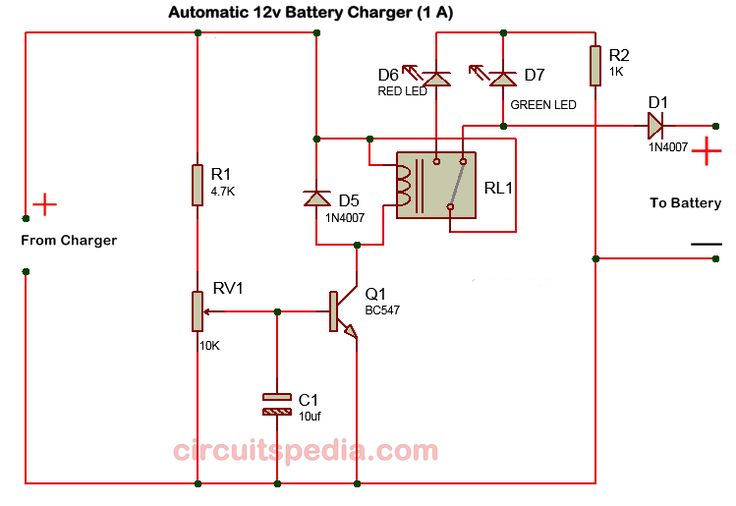


Incorporating a 12V Cut Off Circuit in Your System
Integrating a 12V cut off circuit into your vehicle's electrical system is straightforward, provided you follow the correct wiring scheme. The circuit typically connects between the battery and the loads, with the control switch in series and the voltage sensor monitoring the battery's voltage.
It's essential to consider the specific application when incorporating a cut off circuit. For instance, if you're using it in a caravan, you might want to include a manual reset feature to re-engage the circuit after a power outage. Alternatively, if you're using it in a boat, you might want to include a higher cut-off voltage for deep-cycle marine batteries.
Wiring the Circuit
Here's a simple wiring guide for a typical 12V cut off circuit using a relay as the control switch:


- Connect the relay's power (usually 12V++) to the battery's positive terminal.
- Connect the relay's ground to the battery's negative terminal.
- Connect the load (appliance or accessory) to the relay's normally open (NO) contacts.
- Connect the voltage sensor's output to the relay's coil.
When the battery voltage falls below the set threshold, the voltage sensor triggers the relay, disconnecting the load. Once the voltage recovers, the circuit re-engages, powering the load again.
Testing the Circuit
To test your 12V cut off circuit, you can use a multimeter or a voltmeter to monitor the battery voltage. Gradually discharge the battery until the voltage falls below the circuit's set threshold. The load should disconnect, and the circuit should reset once the voltage recovers.
Regular testing is crucial to ensure the circuit's reliable operation and to identify any potential issues before they cause a failure. Moreover, it's a good practice to include a circuit breaker in the system to protect against over currents and short circuits.
In a nutshell, a 12V cut off circuit is an invaluable component in any recreational vehicle's electrical system. It not only protects the battery from over discharge but also safeguards the connected loads from voltage fluctuations. Understanding and correctly incorporating this circuit ensures the longevity and reliability of your vehicle's electrical system.


