Maximize Performance: Aluminum PCB Thermal Resistance
Aluminum PCB thermal resistance, a critical aspect in printed circuit board (PCB) design, plays a pivotal role in determining the performance and lifespan of electronic devices. This thermal property measures a material's ability to resist or mitigate heat transfer, directly influencing the temperature distribution and heat dissipation within PCBs.
In the realm of PCBs, thermal resistance is often expressed in degrees Celsius per watt (°C/W), indicating the temperature increase per unit of power dissipated through a component or material. Understanding and optimizing aluminum PCB thermal resistance are vital for ensuring reliable operation, preventing heat-related failures, and maximizing the efficiency of electronic systems.
Factors Affecting Aluminum PCB Thermal Resistance
Several factors contribute to the thermal resistance of aluminum PCBs, including material composition, PCB layout, and component placement. Understanding these factors is essential for designing high-performance, low-thermal-resistance circuits.


One crucial factor is the choice of aluminum alloy. Different aluminum alloys like 6061, 6063, and 5052 possess unique thermal conductivities, affecting the PCB's ability to dissipate heat effectively. Generally, higher-purity and lower-silicon content alloys exhibit better thermal conductivity, resulting in lower thermal resistance.
Material Composition and Thermal Conductivity
Aluminum's thermal conductivity, usually between 200-230 W/(m•K), is significantly higher than that of conventional PCB materials like FR-4. This inherent property makes aluminum an excellent choice for improving PCB thermal management.


However, other factors like thermal interface materials (TIMs), Conformal Coating, and PCB lamination materials can affect the overall thermal resistance. Effective selection and application of these materials can enhance heat transfer and reduce thermal resistance.
PCB Layout and Component Placement
PCB layout plays a significant role in determining thermal resistance. Factors like trace width, spacing, and copper weight affect the board's thermal conductivity and heat distribution. Wider traces and larger copper areas facilitate better heat dissipation, reducing thermal resistance.
Strategic component placement is another crucial consideration. Positioning high-power dissipation components closer to edges or heatsinks can enhance thermal management. Similarly, redistributing heat-generating components across the board can help dissipate heat more efficiently, lowering overall thermal resistance.


Mitigating Aluminum PCB Thermal Resistance
To minimize thermal resistance and ensure optimal performance in aluminum PCBs, several design considerations and techniques can be employed.
Effective thermal management strategies include the use of heat sinks, heat spreaders, and thermal vias. By transferring heat from high-density heat-generating areas to cooler locations, these techniques help distribute heat more evenly across the PCB, reducing peak temperatures and minimizing thermal resistance.
Heat Sinks and Heat Spreaders
Heat sinks and heat spreaders are Passive heat dissipation components designed to draw heat away from crucial areas. Integrating these devices into your PCB design can substantially reduce thermal resistance, improve thermal performance, and enhance overall system reliability.
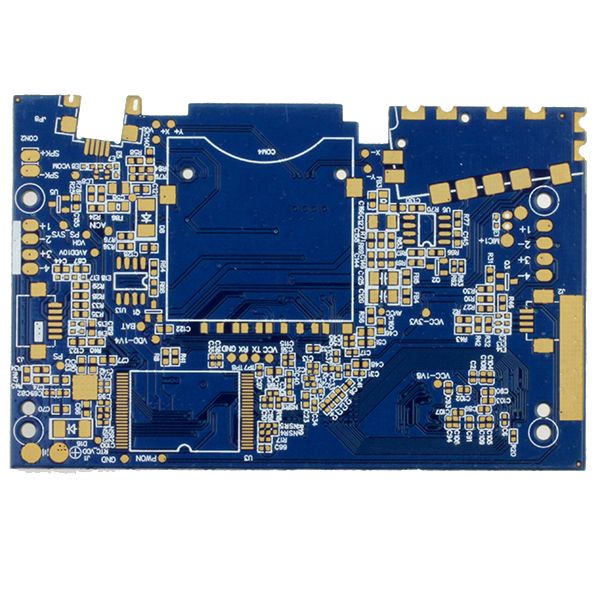


Heat sinks, typically positioned directly beneath high-power components, disperse heat into the surrounding air. Conversely, heat spreaders distribute heat across larger PCB areas, facilitating more uniform temperature distribution. Effectively selecting and placing heat management solutions can significantly improve aluminum PCB thermal resistance.
Thermal Vias
Thermal vias, also known as thermal relief vias, are small, unintentionally connected vias drilled through multiple copper layers or the PCB's surface and backplane. These vias create thermal paths, facilitating heat transfer between copper layers, and from high-density heat-generating areas to lower-density regions on the PCB.
Strategic placement and optimization of thermal vias can significantly enhance heat dissipation, minimizing thermal resistance and promoting more uniform heat distribution throughout the PCB. By addressing techniques and technologies like these, engineers can optimally mitigate and manage thermal resistance in aluminum PCBs.
Aluminum PCB thermal resistance, while affecting electronic system performance and lifespan, offers ample opportunities for optimization and mitigation. By understanding and addressing critical factors contributing to thermal resistance, PCB designers can effectively minimize this challengingly, maximizing the efficiency, reliability, and lifespan of modern electronic devices.


