"Maximizing Underground Cable Capacity: A Comprehensive Guide to Ampacity"
The ampacity of underground cables refers to their ability to carry current without their temperature exceeding a specific limit, usually set at 75°C. This critical factor determines the cable's safe operating capacity and plays a pivotal role in the selection, installation, and maintenance of underground power cables.
Underground cable ampacity is a function of several factors, including the cable's cross-sectional area, insulation, and the surrounding soil's thermal properties. Understanding these factors and how they influence ampacity is key to ensuring the reliable and safe operation of underground power systems.
Key Factors Affecting Underground Cable Ampacity
The ampacity of an underground cable is influenced by a combination of internal and external factors.


Let's delve into these key factors, starting with those tied to the cable's design and construction.
Cable Design and Cross-Sectional Area
The cross-sectional area of an underground cable is a critical determinant of its ampacity. Larger cables with bigger conductor areas can dissipate heat more effectively, enabling them to carry higher currents without exceeding temperature limits.

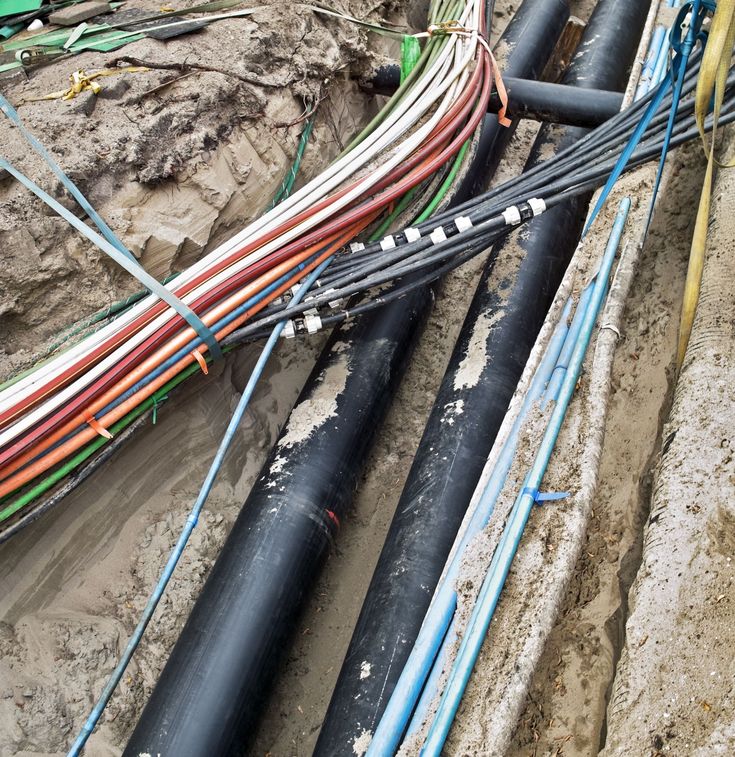

Cable design, including the materials used for conductors, insulation, and jackets, also impacts ampacity. Copper and aluminum are the most common conductor materials, with copper offering higher conductivity and, thus, better current-carrying capacity per unit area.
Cable Insulation
Cable insulation affects ampacity in two ways. Firstly, it influences heat transfer from the conductor to the surrounding environment. Thicker insulations can slow heat dissipation, reducing the cable's effective carrying capacity. Secondly, the insulation's thermal properties, such as thermal conductivity and specific heat, can affect ampacity.
For example, cross-linked polyethylene (XLPE) insulation, due to its high thermal conductivity, allows for better heat dissipation compared to older cable insulations like PVC, enabling higher ampacity ratings.


Extraneous Factors Influencing Underground Cable Ampacity
While cable design and construction significantly impact ampacity, external factors also play a crucial role. Understanding these factors helps engineers design more efficient and reliable underground power systems.
Let's explore these factors, starting with those related to the cable's environment.
Soil Thermal Resistivity
Soil thermal resistivity, a measure of its ability to resist heat flow, is one of the most significant external factors influencing underground cable ampacity. High thermal resistivity, as found in dry, sandy soils, can limit heat dissipation, leading to reduced ampacity.

Conversely, low thermal resistivity, present in moist, clay-rich soils, facilitates heat transfer and results in higher ampacity. When planning underground cable installations, engineers often consider soil conditions to maximize ampacity and system efficiency.
Cable Installation Configuration
The way underground cables are installed can also impact their ampacity. Installing cables in groups, such as in trefoil or flat conducors, can lead to higher operating temperatures due to increased mutual heating and reduced heat dissipation. Conversely, single-conductor installations or the use of cable trapezoidal layouts can improve heat dissipation and enhance ampacity.
Moreover, the depth of cable installation can influence ampacity. Deeper installations generally result in better thermal conditions and higher ampacity due to the cooler temperatures found deeper in the earth. However, practical and financial constraints often limit cable installations to reasonable depths.
In the rapidly evolving landscapes of power system design and operation, understanding and managing underground cable ampacity is more critical than ever. By optimizing cable design and installation configurations and considering extraneous factors, we can maximize cable ampacity and ensure reliable, efficient, and safe power delivery.


