Digital Analog Converter HS Code
Embarking on the quest to understand digital analog converters (DACs) and their connection to the global trade landscape? You've landed in the right place. Here, we'll delve into the world of DACs, their Harmonized System (HS) codes, and the impact they have on international trade.
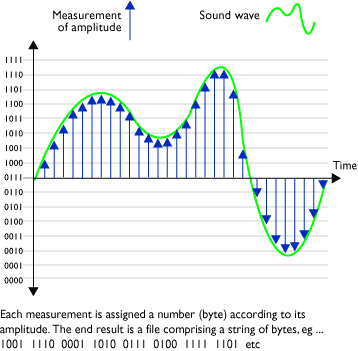
Digital analog converters are ubiquitous in our modern, digital-centric world. They play a pivotal role in bridging the gap between the digital and analog universes, enabling seamless communication and data transmission between devices. Given their indispensable role, it's no surprise that DACs are among the many electronic components regulated by the Harmonized System, a standardized system of codes and names to classify traded products.
Understanding HS Codes for Digital Analog Converters
The Harmonized System nomenclature is an internationally accepted system of codes and names that classifies traded products. It was developed to facilitate international trade, and it's used by customs authorities around the globe to identify products for the application of duties and taxes.


In the context of digital analog converters, the HS codes would typically fall under Sections II, III, or V of the Harmonized System, which cover electrical machinery and equipment. More specifically, they might fall under 'Other articles' of electrical machinery or 'Parts' and 'Accessories' of electrical machinery and equipment.
HS Code 8543 - Electrical Machines and Apparatus
Many DACs may fall under this broad category, which includes machines and appliances such as motors, transformers, generators, and other electrical goods. The specific HS code under this category could vary depending on the type of DAC. For instance, DACs for audio equipment might fall under HS Code 8543.70, which covers 'Apparatus for the transmission or processing of sound or pictures'.


However, for a more accurate classification, we'd need to delve deeper into the fifth or sixth digits of the code, which are used for national harmonized systems to achieve a more detailed classification. For example, the United States uses the Harmonized Tariff Schedule, which provides even more specific codes for electronic products.
HS Codes for Specific Types of DACs
Certain types of DACs might fall under more specific HS codes. For example, DACs designed for medical use might fall under HS Code 9027.30, which covers 'Medical or veterinary equipment with a function of electronic radiation, including X-ray machines and diagnostic equipment'. Similarly, industrial DACs could fall under HS Code 8544, which encompasses 'Parts and accessories' of electrical machinery and equipment.
It's essential to understand that tariff classifications can vary by country, and it's always recommended to consult the specific national trade tariffs or consult with a professional customs agent or trade compliance specialist for accurate HS code identification.


The Role of DACs in International Trade
In the global trade ecosystem, digital analog converters play a pivotal role in facilitating data transmission and communication between devices. They are integral components in a myriad of products, from consumer electronics like smartphones and laptops to industrial equipment and medical devices.
From a trade perspective, understanding the HS codes for DACs is crucial for several reasons. It enables accurate tariff classification and calculation of duties and taxes on imported goods. It also facilitates quota management, ensuring that trade regulations are adhered to and overseas markets are not flooded with an excessive supply of a particular product.
The Impact of Tariffs on DACs
The tariffs applied on DACs can significantly influence the cost of imported goods containing these components. High tariffs can translate to higher production costs, which might be passed on to consumers in the form of higher prices. Conversely, lower tariffs can make imported products more competitive, stimulating trade and fostering economic growth.


Moreover, the imposition of tariffs on certain types of DACs can stimulate domestic manufacturing, as products face fewer barriers to entry due to lower production costs compared to their imported counterparts. This can lead to increased employment and investment in the domestic manufacturing sector.
Ensuring Trade Compliance - A Key Consideration
Any business engaged in international trade must prioritize trade compliance, ensuring that all its transactions are in line with relevant trade regulations. Understanding the HS code for DACs used in a product is a critical element of this process, helping businesses to apply the correct tariffs, manage quotas, and avoid potential penalties or legal issues.
A comprehensive approach to trade compliance involves not just accurate tariff classification, but also understanding and adhering to other trade-related regulations, including those related to product standards, labeling, packaging, and safety requirements.
In the realm of digital analog converters, while the technology is evolving rapidly, the Harmonized System codes provide a standard framework for international trade, facilitating the global movement of goods. Understanding these codes is not just a legal requirement but also a commercial necessity for any business looking to navigate the global trade landscape with efficiency and precision.


