How to Cool Down Metal Roof: Expert Tips and Techniques
Metal roofs are known for their durability and longevity, but they can also absorb and retain heat, making your home uncomfortably warm during summer months. If you're wondering how to cool down a metal roof, you're in the right place. In this guide, we'll explore several effective methods to help you create a cooler, more comfortable living environment.
Before diving into the solutions, it's crucial to understand that reflection is your primary ally in cooling down a metal roof. By reflecting the sun's rays, you can significantly reduce the heat absorbed by your roof. Now, let's discover how you can leverage this principle and other techniques to achieve optimal results.
Reflective Coatings and Paint
Reflective coatings and paint are designed to reflect the sun's heat away from your metal roof, keeping your home cooler. They can drastically reduce the roof's temperature, often leading to energy savings as your HVAC system doesn't have to work as hard.


Several types of reflective coatings are available, with some targeting specific needs. For instance, acrylic and silicone-based coatings are ideal for flat or low-slope roofs, while urethanes and epoxies work better on steep-slope roofs. Some coatings even incorporate infrared-reflective pigments that help dissipate heat more effectively. Keep in mind that applying these coatings may necessitate professional help.
Cool Roof Coatings
Cool roof coatings are specifically engineered to reflect a significant portion of the sun's energy, keeping your metal roof cooler. They typically contain infrared-reflective pigments and are designed for easy application by both professionals and DIY enthusiasts.
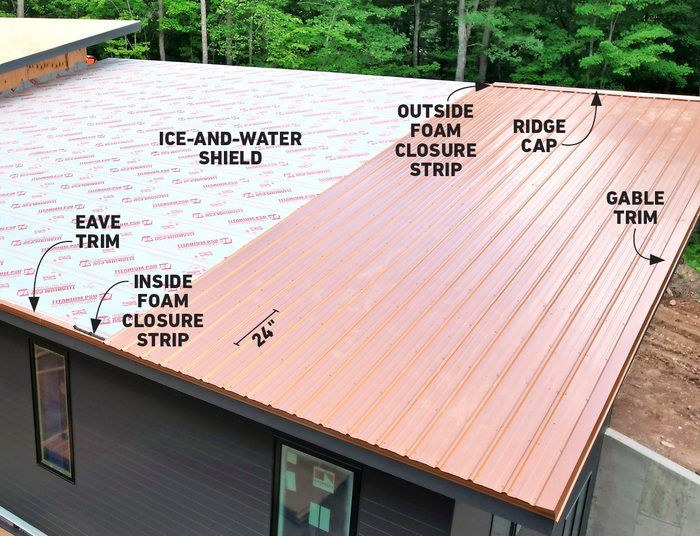


Cool roof coatings usually come in white or light colors, which are most effective at reflecting heat. However, some options are available in darker shades if aesthetics are a concern. Always ensure you choose a coating that's compatible with your roof's material and manufacturer's guidelines.
Reflective Metal Paints
Reflective metal paints are an alternative to coating your roof with a separate product. These paints contain reflective pigments that help scatter heat away from the metal surface. They can be a more affordable option, especially if you're considering repainting your roof as part of its regular maintenance.
Reflective metal paints are typically available in various colors, allowing you to maintain your desired look while benefiting from their cooling properties. As with cool roof coatings, make sure to select a paint suitable for your roof's material and follow manufacturer instructions for best results.


Insulation and Ventilation
While reflective coatings and paints can significantly reduce the heat absorbed by your roof, proper insulation and ventilation are essential for maintaining a comfortable temperature inside your home. By implementing these strategies, you can help prevent warmth from infiltrating your living space during hot summer months.
The primary goal of insulation and ventilation is to create a barrier between the hot roof and your living area while facilitating heat transfer away from your home. By working together, these techniques can substantially enhance the effectiveness of reflective coatings and enhance your overall comfort.
Insulation
Proper insulation helps prevent heat transfer between your attic and living space, keeping your home cooler in the summer and warmer in the winter. Batt, foam, and blown-in loose-fill insulation are common choices for attics, with each providing unique benefits in terms of R-value, energy efficiency, and installation ease.


When installing or upgrading insulation, ensure it's evenly distributed and adequately sealed to maximize its effectiveness. Additionally, consider adding a radiant barrier – a thin, reflective material installed between your roof and insulation – to further reduce heat transfer by reflecting radiant heat away from your living space.
Ventilation
Proper attic ventilation allows hot air to escape and draws cooler air in, reducing the temperature in your attic and the rest of your home. Effective ventilation systems typically combine intake vents (such as eaves, soffits, and willow vents) with exhaust vents (like ridge, roof, or gable vents) to facilitate airflow.
Ventilation fans and-powered attic ventilators can also be installed to enhance air circulation, especially in homes with limited natural ventilation. When designing your ventilation strategy, consult with a professional or use online resources to ensure you achieve the appropriate balance between intake and exhaust vents for optimal results.
Shading and Landscaping
While reflective coatings and insulation are crucial, strategically placed shading and landscaping can further reduce the heat absorbed by your metal roof and create a more comfortable environment around your home. These techniques not only help cool your roof but also enhance your home's curb appeal and provide other environmental benefits.
By strategically planting trees, installing awnings, or adding other shading structures, you can protect your metal roof and home from direct sunlight, reducing the amount of heat they absorb. Here's how you can leverage these techniques to create a cooler living environment:
Trees and Shrubs
Planting deciduous trees and shrubs around your home can provide shade during summer months, helping to cool your roof and home. In winter, the bare branches allow sunlight to reach your home, providing welcome warmth. When selecting plants, prioritize those that thrive in your local climate and provide adequate shade without causing damage to your roof or structure.
garage, consider installing an awning or overhang to protect your metal roof and home from direct sunlight, especially during peak sunshine hours. Awnings and overhangs can be made from various materials, including canvas, metal, or fabric, and come in a range of colors and styles to complement your home's exterior.
Horizontal Surfaces and Reflective Materials
Reflective materials, such as white or light-colored paint on horizontal surfaces (e.g., walls, gutters, or fences), can help reduce heat absorption by reflecting sunlight away from your metal roof and home. This strategy can be particularly effective when combined with strategic plants and shading structures, creating a more comprehensive cooling approach.
Moreover, ensuring proper drainage and minimizing the accumulation of heat-trapping debris, such as leaves and dirt, on your roof and surrounding surfaces can further enhance the effectiveness of your cooling strategies. Regular cleaning and maintenance can help maintain optimal performance and prolong the lifespan of your metal roof.
Incorporating these methods to cool down your metal roof will create a more comfortable living environment, reduce energy costs, and enhance your home's overall appeal. By staying informed and proactive, you can enjoy the durability and longevity of your metal roof while minimizing its heat absorption during hot summer months. Don't hesitate to consult with local professionals or explore online resources to find the best solutions tailored to your specific needs and climate. Happy cooling!


