How to Tell Positive from Negative Wire
Electrical wiring can often be intimidating, especially when it comes to identifying wires without labels. However, with a bit of understanding and some practical tips, you can learn to differentiate positive and negative wires. Let's dive into this essential electrical skill, ensuring you stay safe and informed.
Before we proceed, it's crucial to remember that dealing with electricity can be hazardous. Always ensure you understand your electrical system, use appropriate safety measures, and, if unsure, consult a professional electrician.
Understanding Wiring Colors
In most residential and commercial electrical systems, a standardized color code is used to identify wire functionality. Knowing these colors can significantly simplify wire identification.


While colors can vary slightly depending on location and manufacturer, the most common colors for positive and negative wires are:
- Black or Red: These are typically used for 'live' or 'hot' wires, acting as the positive or power wires.
- White or Gray: Usually used for 'neutral' wires, acting as the negative or return path for electrical current.
- Green or Green with a Yellow Stripe: Reserved for 'ground' wires, these provide a low-resistance conducting path for fault current, keeping you safe.
Black and Red Wires
Black and red wires are often used interchangeably as live or hot wires. In many cases, however, red is reserved for 277V circuits or forFeed (delivers power to the main service disconnect), while black is used for 120V circuits.


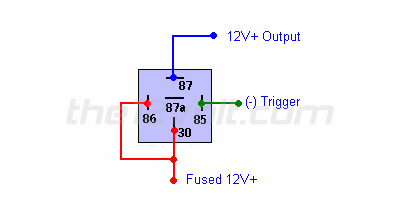
It's essential to note that apart from these common uses, the color code may vary based on local regulations or manufacturer recommendations. Always refer to your specific electrical system's documentation for accurate information.
White or Gray Wires
White or gray wires usually serve as neutral or negative wires. Unlike live wires, neutral wires do not cause a shock hazard when touched. They return the current to the source after it has passed through an electrical load, completing the circuit.
Neutral wires are typically bundled together and connected at a main neutral bus bar or a neutral bus inside the electrical service panel or distribution board.


Identifying Wires Without Labels
Sometimes, you may encounter wires without labels or marks. In such cases, you can use a multimeter to identify positive and negative wires safely. Before starting, ensure your multimeter is set to measure resistance.
The process involves two probes. Touch one probe to a known hot or live wire (like the black or red wire), then touch the other probe to the wire you're checking. If the multimeter indicates continuity or a low resistance reading, the wire is likely hot or live.
Safety First
When dealing with electrical wires, always follow these safety guidelines:


- Turn off the power source before starting any work.
- Use a voltage tester to ensure wires are indeed dead before touching them.
- Wear appropriate personal protective equipment (PPE), such as safety glasses, gloves, and insulating tools.
- Never assume wires are dead; always test them.
Understanding and identifying positive and negative wires is a crucial step in working safely and effectively with electrical systems. With practice and patience, you'll gain confidence in your ability to differentiate these essential components. So, go ahead, stay informed, stay safe, and keep improving your electrical skills.
