Mastering Safe Combination Lock Instructions
Creating a strong, memorable passcode is only half the battle when it comes to safeguarding your digital assets. Ensuring that the combination is securely stored and shared, and regularly updated, is equally crucial. Here are some safe combination instructions that go beyond the basics, providing a robust defense against unauthorized access to your accounts.
Many people write down their passwords, but this practice poses significant security risks. If someone gains access to your written passcode, your account is as good as compromised. In this article, we'll guide you through the do's and dont's of password storage and sharing. We'll also discuss why it's essential to change combinations regularly and provide practical tips on creating strong passcodes.
Safe Password Storage Practices
Keeping your passcodes stored securely is vital. Here are two key aspects to consider:
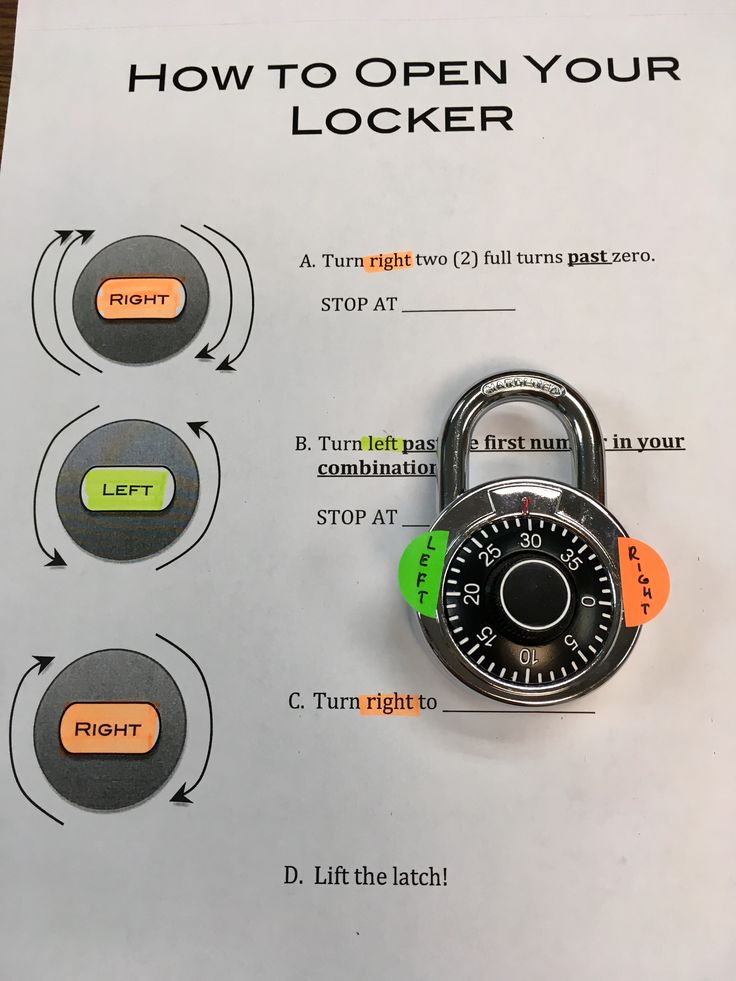


Never write down your passcodes. This might seem challenging, but memorization is the most secure method. Incorporate phrases and mental visualization techniques to make memorization easier.
Using Password Managers
Password managers are encrypted software that store, generate, and autofill your passcodes. They use strong encryption algorithms to secure your data, providing an extra layer of protection.


Here's how to use a password manager:
- Install and set up the password manager. Choose a complex master password that you'll use to unlock the manager. Ensure that this password is not easily guessed or used elsewhere.
- Enter your existing passcodes manually or allow the manager to generate new, secure combinations.
- Next time you need to log in, the password manager will autofill your passcode, saving you the trouble of memorization.
Password Vaults
Password vaults function similarly to password managers, storing your passcodes securely and providing easy access when needed.
Some browsers have built-in password vaults, such as Google Chrome's password manager. However, third-party services often provide more advanced features and superior security.


Secure Sharing of Passwords
Sometimes, you may need to share your passcodes for legit purposes, such as giving an assistant access to your accounts. Here's how to do it safely:
Two-Factor Authentication (2FA)
Enable 2FA wherever possible. This security feature adds an extra layer of protection by requiring users to verify their identity with a second factor, such as a fingerprint or a code sent to their mobile device.
Even if a third-party gains access to your passcode, 2FA will prevent them from logging in. Here's how to enable it:


- Log into the account you want to secure.
- Navigate to the security or account settings, usually labeled 'Password & Security' or 'Two-Step Verification'.
- Follow the prompts to set up 2FA. This usually involves installing an authenticator app and scanning a QR code with your mobile device.
Temporary Access Rights
If you need to grant someone temporary access to your account, provide them with a unique, time-limited passcode instead of your master combination. Many services now support this feature.
Here's how to do it:
- Navigate to your account settings, usually labeled 'Account Sharing' or 'Access & permissions'.
- Look for an option labeled 'Create a new temporary passcode' or something similar.
- Follow the prompts to generate a unique combination with a specific duration. Share this temporary passcode with the intended user.
Regular Password Updates
Regularly updating your passcodes significantly improves the security of your accounts. Here are some tips on how to approach password changes:
Password Aging
Implement a regular password aging policy. This means changing your passcode at fixed intervals, say every 90 days. Update all your passcodes following the same schedule to simplify the process.
Set calendar reminders or use a password manager with password aging features to ensure you stick to the schedule.
Evidence of Compromise
Change your passcode immediately if there's evidence of a security breach. Signs of compromise include suspicious account activity, unusual emails, or notifications from security software.
When changing your passcode, ensure you create a new, strong combination. We'll discuss how to craft secure passcodes in our next section.
Creating Strong Passwords
The strength of your password significantly impacts your account's security. Here are some tips on creating strong passcodes:
Long and Complex
Use combinations that are at least 12 characters long and include a mix of uppercase and lowercase letters, numbers, and special characters.
Longer passcodes have more possible combinations, making them harder to crack. Complexity adds an extra layer of security by increasing the pool of potential combinations.
Avoid Common Pitfalls
Avoid using easily guessable combinations. Stay away from:
- Personal information, like your birthday, family member's names, or your pet's name.
- Dictionary words and common phrases, like "iloveyou" or "password123".
- Sequences of numbers (e.g., "123456") or keyboard patterns (e.g., "qwerty" or "!@#$%").
Many people stick to passcodes they can easily remember, which often means falling into one of these pitfalls. Instead, use a password generator to create a strong, random combination.
Enhance your account security with these safe combination instructions. Regularly update your passcodes, store them securely, and share them responsibly. By following these practices, you'll significantly improve the resilience of your digital defenses.


