What is Reverse Line Voltage Polarity?
Ever found yourself scratching your head over the term "reverse line voltage polarity" while delving into electrical engineering or HVAC systems? You're not alone. Let's demystify this concept and explore what it means in plain, jargon-free language.
In essence, "reverse line voltage polarity" refers to an abnormal electrical condition where the hot and neutral wires in an AC (alternating current) circuit are reversed. To understand its significance, let's first grasp the basics of AC voltage and wiring polarity.
Understanding Polarity in AC Wiring
Electrical wiring in AC circuits usually consists of three wires: hot (live or phase), neutral, and ground (or earth). The hot wire carries the electrical current, while the neutral wire provides a low-impedance path to return the current to the source. The ground wire, on the other hand, offers a safety path in case ofgot wire insulation or short circuits.


The polarity, or phase relation, between the hot and neutral wires is crucial for the safe and efficient operation of electrical appliances and equipment.
Normal Line Voltage Polarity
In a normally wired AC circuit, the hot wire has a higher potential than the neutral wire. The voltage difference between them (known as line voltage) drives the flow of electrical current through connected devices.


For example, in a standard 120V AC residential circuit in the United States, the hot wire has a potential of 120V with respect to the neutral, thus creating a 120V difference, or line voltage.
Reverse Line Voltage Polarity
Now, let's consider the scenario where the polarity is reversed. In this case, the neutral wire has a higher potential than the hot wire, making it "live" instead of the hot wire. This anomaly can occur due to faulty wiring, improper grounding, or plugging in devices with reversed polarity plugs.
Imagine plugging in an appliance with reversed hot and neutral wires. The device would receive power with the wrong polarity, potentially leading to damage, reduced performance, or even hazards like electrical shock and fire.


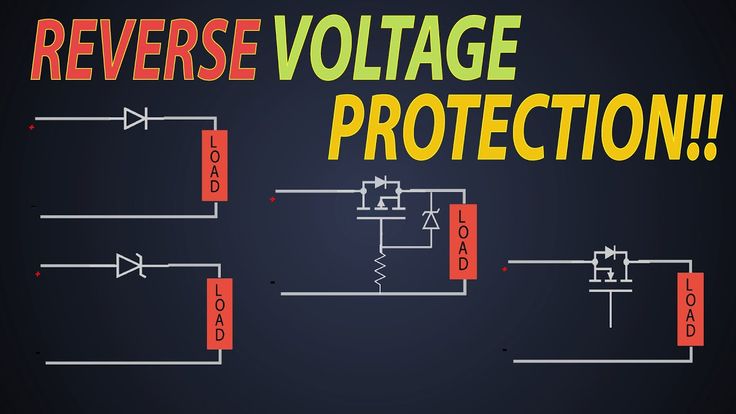

Impact of Reverse Line Voltage Polarity
The consequences of reverse line voltage polarity can vary depending on the device and the severity of the polarity reversal.
Appliances sensitive to voltage polarity, such as transformers and certain motors, could be damaged or stop working entirely. Other devices might function abnormally, providing inadequate or unsafe operation.
Electrical Shock Hazard
One of the most severe implications is the increased risk of electrical shock. With reversed polarity, the neutral wire becomes live, and touching it could expose you to potentially life-threatening voltages.


Moreover, since the ground wire is also energized, the circuit might not function as an effective ground fault circuit interrupter (GFCI), further exacerbating the shock hazard.
Reduced System Efficiency
Even if no immediate hazards are apparent, reverse line voltage polarity can lead to reduced system efficiency and higher energy bills. Some devices might consume more power than intended, while others could under-perform.
For instance, incorrect polarity could cause a transformer to heat up excessively, wasting energy and potentially damaging the transformer.
Causes and Detection of Reverse Line Voltage Polarity
Understanding the causes and detection methods can help preventive maintenance and ensure the safety and reliability of electrical systems.
Causes could be faulty installations, aging or damaged wiring, or incorrect equipment usage. Detection methods can range from visual inspections to using voltage testers, multimeter, or specialized polarity testers.
Preventive Maintenance
Regular electrical inspections and adherence to safety guidelines can help prevent reverse line voltage polarity and-associated issues. Proper installation and periodic maintenance can also minimize potential risks.
Always ensure that qualified electricians perform any electrical work or maintenance, and never tamper with live electrical circuits without proper safeguards.
Lastly, always double-check the polarity of plugs and outlets before connecting any equipment. A simple check can save you from severe consequences and costly repairs.
So, there you have it - a comprehensive breakdown of reverse line voltage polarity, its effects, and ways to prevent it. Understanding this concept is crucial for anyone working with AC electrical systems, ensuring safe and efficient operations while minimizing potential hazards and damages. Stay informed, stay safe!


