Calculate Wire Size for Motors: A Step-by-Step Guide
Calculating the appropriate wire size for a motor is a critical step in ensuring the efficiency, longevity, and safety of your electrical system. Choosing the wrong wire size can lead to unnecessary power losses, heightened fire risks, or even motor failure. In this comprehensive guide, we'll walk you through the process of determining the correct wire size for your motor, ensuring your project's success and your peace of mind.
Before we delve into the calculations, it's crucial to understand why selecting the right wire size matters. Wire size, or gauge, directly impacts the current-carrying capacity of the wire. Too small a gauge, and the wire may overheat due to excessive current flow, potentially causing a fire or damaging the motor. Conversely, a wire size that's too large may result in unnecessary costs and poor connections due to excessive wire length and slack. With these risks in mind, let's explore how to calculate the correct wire size for your motor.
Understanding Wire Sizes and Motor Ratings
Wire sizes are typically measured in American Wire Gauge (AWG). The AWG scale is converse; the larger the AWG number, the smaller the wire diameter. For example, a wire with a gauge of 14 is smaller in diameter than a wire with a gauge of 12. It's essential to be familiar with this scale to accurately calculate wire size for your motor.


Motors are usually rated in horsepower (HP), voltage (V), and amperage (A). You can find these ratings on the motor's nameplate or in its specifications. For calculating wire size, we'll primarily focus on the motor's full-load current (amperage) rating and the voltage rating. Let's discuss how these factors influence wire selection.
Full-Load Current (Amperage)
The full-load current (FLC) rating indicates the maximum current a motor can draw when operating at its full load. This rating is critical in determining the wire size, as it represents the current that will continuously flow through the wire. Using the FLC rating ensures that the wire can handle the motor's constant current demand without overheating.
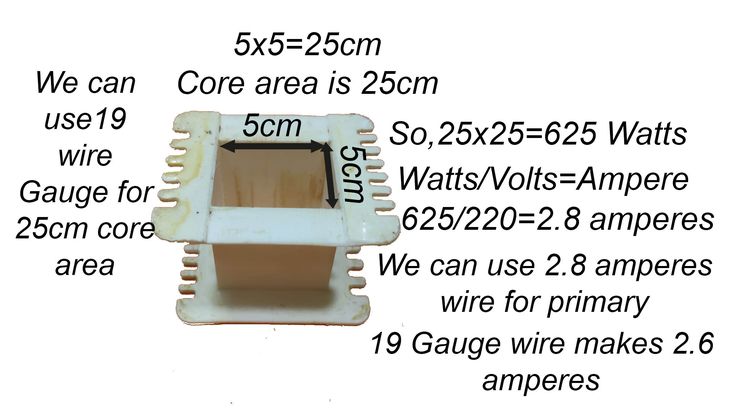


To calculate the wire size based on the FLC, you'll need to consult an AWG chart or use an online wire size calculator. These tools will help you determine the appropriate gauge based on the current-carrying capacity needed. For instance, if your motor has a FLC of 10 amps and operates on a 120V circuit, using an AWG chart or calculator will reveal that a 12 AWG wire is suitable for this application.
Voltage Drop
Voltage drop refers to the decrease in voltage as electricity flows through a wire. This drop is proportional to the wire's resistance, which varies based on its length and material. For motors, a voltage drop greater than 10% of the supply voltage can lead to poor performance, reduced efficiency, or even motor failure. To maintain optimal performance, it's essential to consider voltage drop when calculating wire size.
You can calculate the voltage drop using Ohm's Law (VD = I * R), where VD is the voltage drop, I is the current (in amps), and R is the resistance (in ohms) of the wire. First, determine the wire's resistance using its AWG size and length. Then, multiply the resistance by the motor's full-load current to find the voltage drop. Subtract the voltage drop from the supply voltage to ensure that the motor receives the necessary voltage to operate correctly.


Additional Considerations for Wire Size Selection
In addition to the motor's amperage and voltage ratings, other factors can influence wire size selection. Considering these aspects will help you choose the most appropriate wire for your motor and ensure the longevity and safety of your electrical system.
Wire Insulation
The type and thickness of wire insulation can affect the wire's overall diameter and, consequently, its current-carrying capacity. For example, a wire with thick, durable insulation may have a smaller current-carrying capacity compared to a wire with thinner insulation, even if both have the same AWG size. Always consult the wire manufacturer's specifications to ensure that the insulation type is suitable for your motor's application and environment.
Additionally, some motors may require specialized insulation materials to withstand high temperatures or chemically harsh environments. Be sure to select a wire with the appropriate insulation for your motor's operating conditions to prevent premature insulation degradation and potential failures.


Ambient Temperature
Ambient temperature can also impact wire size selection. Wires operating in high-temperature environments may require a larger gauge to maintain their current-carrying capacity. Conversely, wires in low-temperature environments can tolerate smaller gauges due to reduced resistance. Consult a wire manufacturer's temperature rating charts to select a wire suitable for your motor's ambient temperature.
Similarly, it's essential to consider the heat generated by the motor itself. As motors operate, they generate heat, which can raise the temperature of the surrounding wires. Be sure to account for this additional heat when selecting a wire gauge, preferably by choosing a larger gauge than strictly required by the motor's current demand.
Length of Run
The length of the wire from the power source to the motor can significantly impact voltage drop and, consequently, wire size selection. Longer wire runs increase voltage drop, which can lead to insufficient voltage at the motor's terminals. To mitigate this issue, use a larger gauge wire for longer runs to minimize voltage drop and ensure the motor receives the necessary operating voltage.
As a general rule, increase the wire gauge by one size for every additional three feet of wire length beyond the first ten feet. For example, if you initially calculate a 12 AWG wire for a motor, you would use a 10 AWG wire for an additional 3 to 6 feet, a 14 AWG wire for 6 to 9 feet beyond that, and so on.
Properly sizing the wire for your motor is a critical step in ensuring the efficiency, longevity, and safety of your electrical system. By understanding and applying the principles outlined in this guide, you'll be well-equipped to select the appropriate wire size for your motor and maintain a reliable, worry-free electrical system.


