How to Use Electrical Conduit Fittings
Electrical conduit fittings play a crucial role in ensuring the safety and functionality of your electrical system. They are not only used to connect lengths of conduit, but also to guide wires through bends, turns, and into junction boxes. Understanding how to use electrical conduit fittings is essential for any DIY enthusiast or professional electrician. Let's delve into the basics of using these essential components.
Before you start, ensure you have the right fittings for your project. Fittings are typically made of steel, plastic, or aluminum, each with its own uses. For instance, steel fittings are robust and suitable for outdoor use, while plastic fittings are lightweight and ideal for indoor use. The fitting's size should also match the conduit's inner diameter to ensure a secure fit.
Choosing the Right Fitting
Selecting the correct fitting for your needs is the first step in using electrical conduit fittings. Fittings come in various shapes and sizes, each serving a unique purpose in your electrical system.


For example, elbows allow you to change the direction of the conduit, while tees enable you to branch off from a main line. Couplings are used to connect two lengths of conduit, while lock nuts secure the fitting to the conduit.
Elbows
Elbows are used to change the direction of the conduit, allowing you to navigate around corners or obstacles. They come in various angles, usually 90 degrees or 45 degrees. To use an elbow, simply fit it onto the end of one piece of conduit, then slide the other piece in at the desired angle.


Remember, when using elbows, ensure they are properly supported to prevent excessive bending that could damage the wires inside. Also, avoid overusing elbows as this can make your conduit system difficult to route and maintain.
Tees
Tees allow you to branch off from a main conduit line. They have three openings - one for the main line and two for the branches. To use a tee, connect it to the main conduit, then insert the branch conduits into the side openings.
Tee fittings are useful for powering multiple outlets or switches off a single conduit run. However, be mindful of the conduit's capacity and avoid overloading it with too many branches.

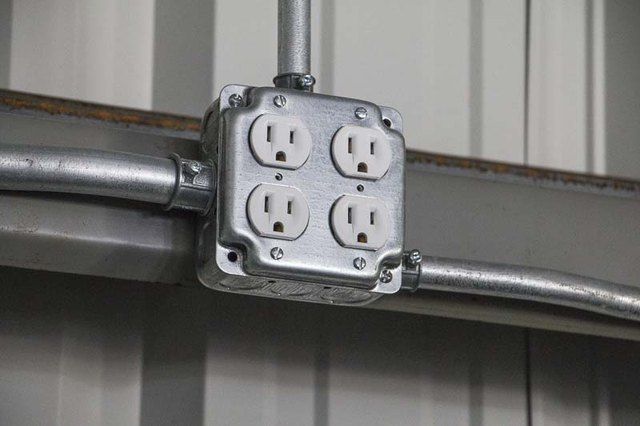


Installing Conduit Fittings
Once you've chosen the right fittings, it's time to install them. Installation involves several steps, including measuring, cutting, deburring, and assembling the components.
Always ensure you're working safely. Wear appropriate gloves and safety glasses to protect yourself from sharp edges and debris. Also, before you begin, ensure the conduit is clean and dry to prevent any contamination or corrosion.
Measuring and Cutting
Measure and mark the conduit where you need to make a cut. Use a hacksaw or a conduit cutter to make the cut. If you're using a hacksaw, ensure you're cutting at a 45-degree angle to create a featureless, smooth edge.

After cutting, use a deburring tool or a file to smooth any rough edges. This is crucial as sharp edges can damage the wires or cause injury.
Assembling the Conduit and Fitting
Slide the fitting over the conduit. If you're using a coupling, slide it over both pieces of conduit you want to join. If you're using an elbow or tee, slide the fitting onto one piece of conduit, then slide the second piece into the other opening.
Tighten the fitting using a spanner or pliers. The fitting should be secure but not so tight that it deforms the conduit. Once the fitting is secure, you can use lock nuts or other securing mechanisms to prevent it from coming loose.
In the world of electrical work, having a solid grasp on using electrical conduit fittings can save you a lot of time, effort, and potentially, hazardous situations. Practice makes perfect, so don't hesitate to tackle more complex projects once you've mastered the basics. Always remember, safety first, and happy DIYing!


